 Cricut's World
All About Sublimation Printing
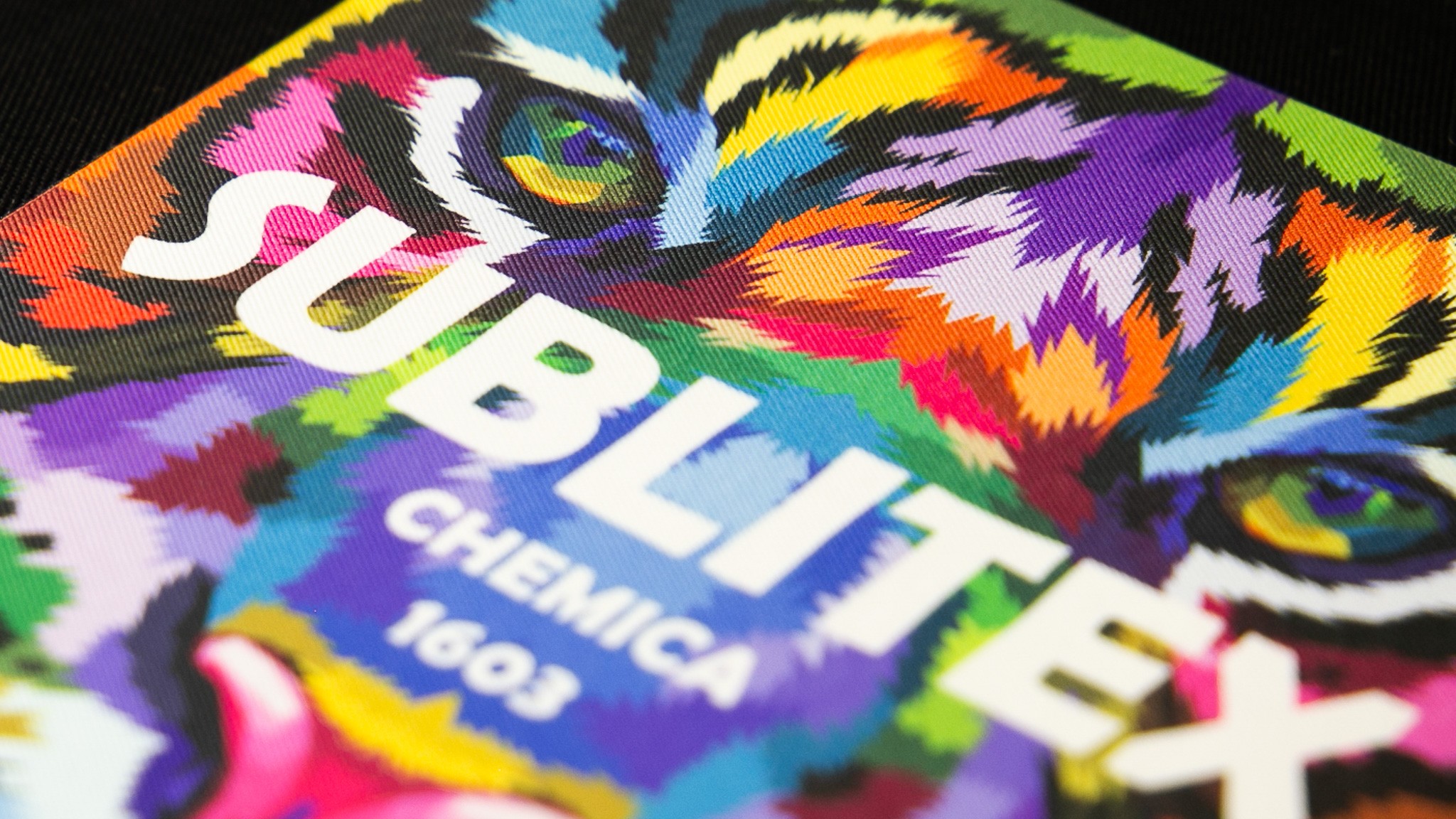
Textile sublimation is a method of digital heat transfer printing that makes it possible to customize clothing, promotional textiles, or objects with unmatched precision. Used by both professionals and independent creators, it delivers a high-quality, durable, and resistant result.
Heat sublimation relies on a simple physical principle: sublimation inks, heated at high temperatures, turn into gas and penetrate directly into the textile fibers, especially polyester. This process fixes the design within the fabric, rather than just on the surface like with other techniques (DTF, heat transfer vinyl, etc.).
The result: a permanent marking with no thickness, offering a smooth finish, vibrant colors, and sharp details — ideal for complex images, gradients, or photographs.
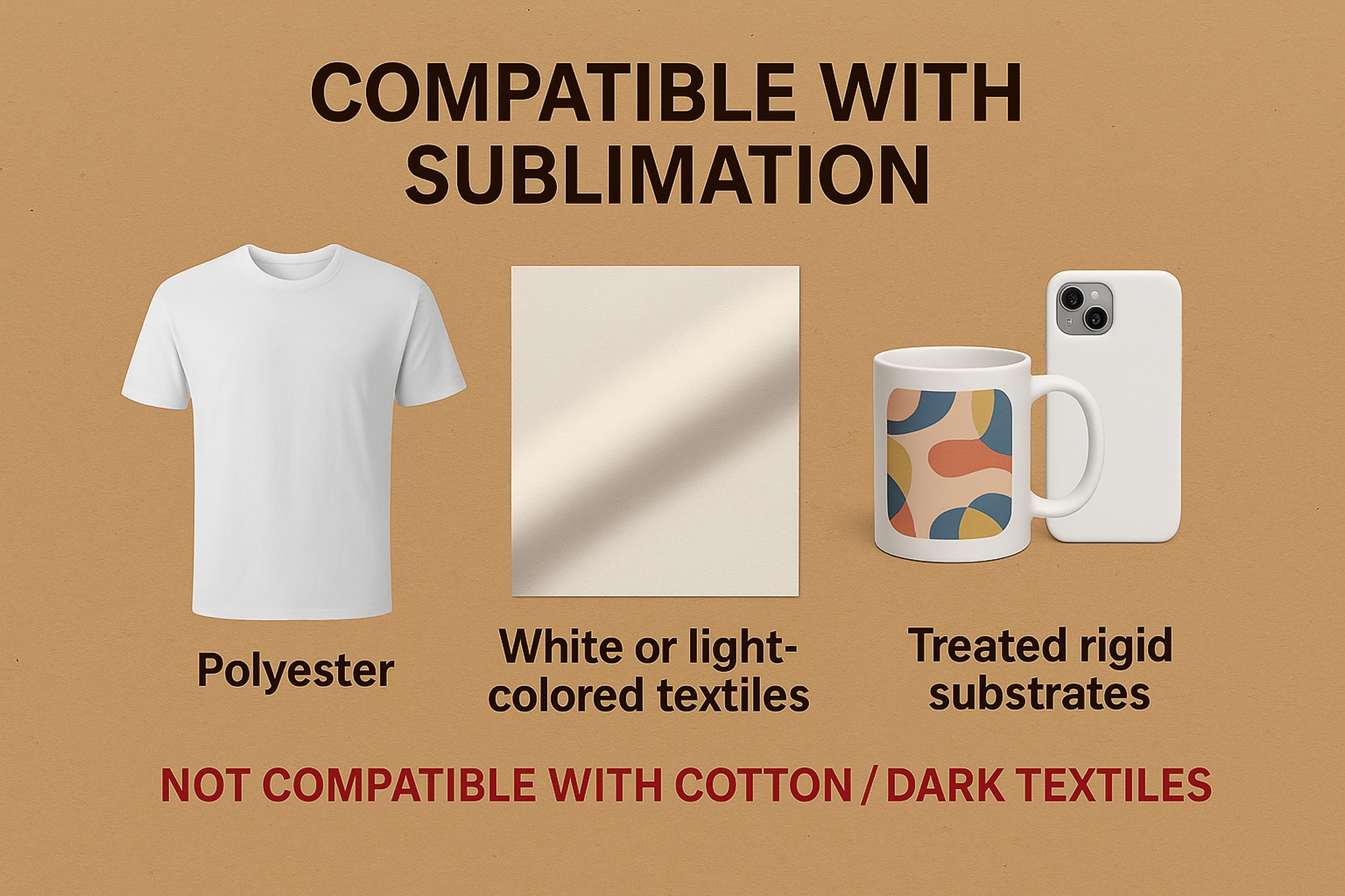
Sublimation only works on properly prepared surfaces, particularly:
Polyester fabrics (100% or minimum 65%), whether lightweight or technical.
White or light-colored textiles (the process cannot print white).
Rigid items pre-coated with a polyester layer: mugs, metal plates, phone cases, promotional items, etc.
⚠️ Sublimation is not compatible with cotton, dark fabrics, or untreated materials.
Here are the 3 key steps of this high-quality textile customization process:
Design creation: logo, photo, illustration, or text prepared with graphic design software in CMYK mode.
Printing onto sublimation transfer paper: using a sublimation printer with specialized inks.
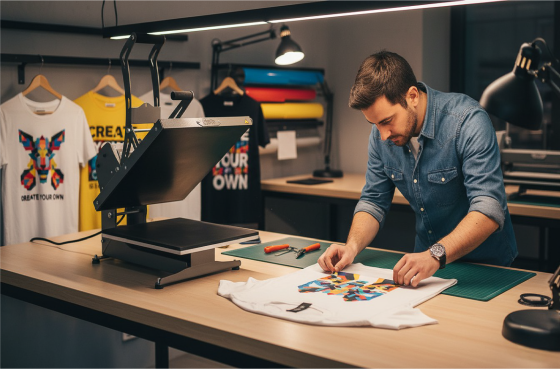
Transfer onto textile or rigid surface: using heat and pressure via a professional heat press.
The sublimated transfer results in a visual fully embedded in the surface, with no texture, cracking, or peeling.
To get started or professionalize your textile sublimation printing activity, you’ll need:
High-quality sublimation inks.
Special sublimation transfer paper.
A heat press, manual or automatic.
Graphic design software (CorelDraw, Canva Pro, Photoshop, etc.).
There are also many ready-to-use sublimation kits available to start a craft or professional textile customization business.
Photo-realistic results: high-resolution printing, sharp details.
Exceptional durability: sublimation penetrates the fabric, resistant to washing, friction, and UV exposure.
Optimal comfort: no thickness, no stiffness, and no change to fabric touch.
Fast and flexible production (perfect for print-on-demand, prototyping, or limited series).
Eco-friendly: no leftover ink, no heavy solvents.
Works only on light-colored polyester.
No white ink printing: the white in a design corresponds to the background color of the material.
Initial equipment investment required.
Not suitable for dark or natural fabrics such as cotton.
Choose textile sublimation if you are looking for:
High-definition textile customization on t-shirts, jerseys, cushions, etc.
A no-stock solution for one-off orders or small batches.
Graphic versatility: photos, gradients, complex logos, creative illustrations.
Customized promotional items or corporate gifts.
It’s the perfect technique for customization businesses, online brands, creative studios, artisans, and design schools.
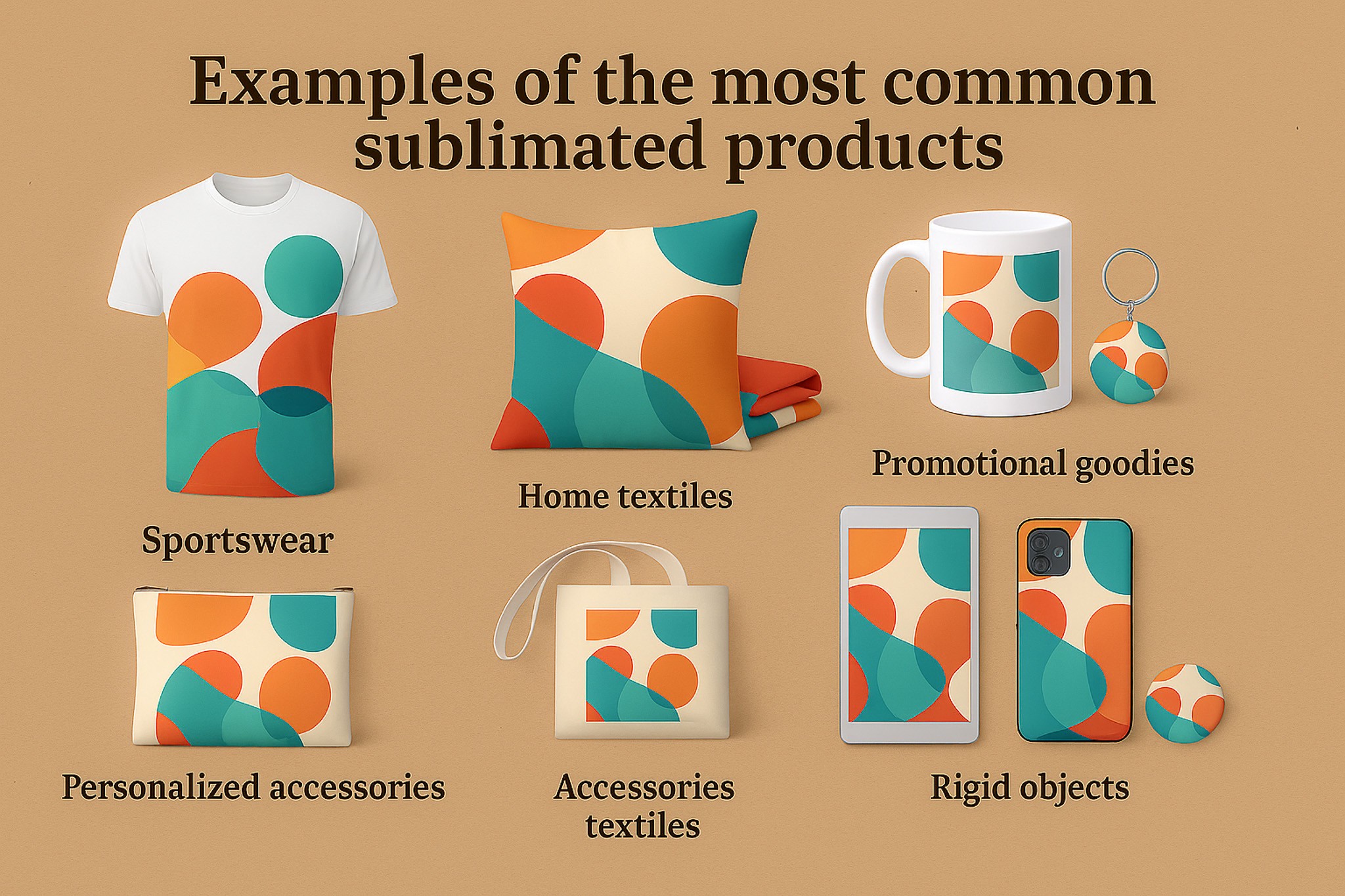
Here are the most popular sublimation-compatible products:
Sportswear: breathable t-shirts, soccer jerseys, technical polos
Home textiles: throws, cushions, decorative curtains
Promotional goodies: mugs, keychains, mouse pads, polyester bags
Personalized accessories: pouches, covers, banners
Rigid objects: aluminum plates, smartphone cases, badges
Thanks to this technique, every fabric piece becomes a creative canvas, unique and long-lasting.
Sublimation ensures optimal resistance to intensive washing. The sublimated design does not crack, fade, or peel off.
Care tips:
Wash inside out at 40–60°C
Avoid tumble drying and bleach
Iron gently on the reverse side
Sublimation is a profitable solution even for low volumes. It allows fast production with minimal waste.
Basic equipment cost: from €500 to €2500
Unit cost: €3 to €12 depending on product, quantity, and design
High margins possible on personalized and limited-edition products
For e-commerce brands, artists, or personalized product creators, it is an excellent driver for differentiation and agile production.
No, the material must be polyester (or polyester-coated).
Yes, it penetrates the fibers, ensuring long-lasting durability.
Yes, a household iron is not enough (unstable temperature).
No, white ink does not exist in standard sublimation.
Textile sublimation is a powerful and creative printing technology, perfectly suited for print-on-demand, events, and personalized e-commerce.
It allows a business, brand, or creator to offer unique products, with no stock issues, featuring striking, durable, and distinctive designs.
100% secure
payment
Fast delivery
from 24 to 72H*
*Depending on the carrier
Free shipping on
orders over €150*
*Metropolitan France
Customer service at
+33 6 47 80 92 20
Certifications
Oeko-Tex and EVE Vegan