Cricut's World
Chemica
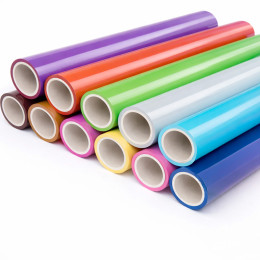
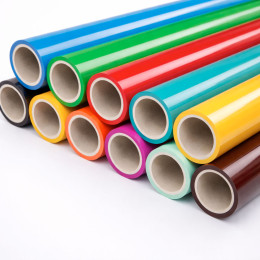
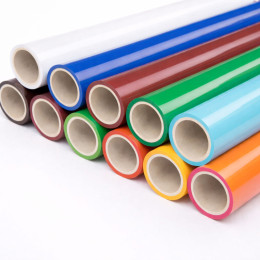
DTF Film Instant Peel
€154.98
DTF PAPER
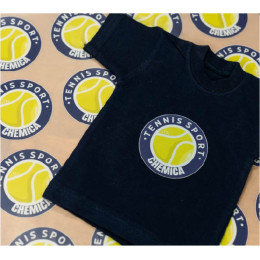
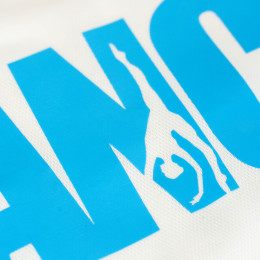
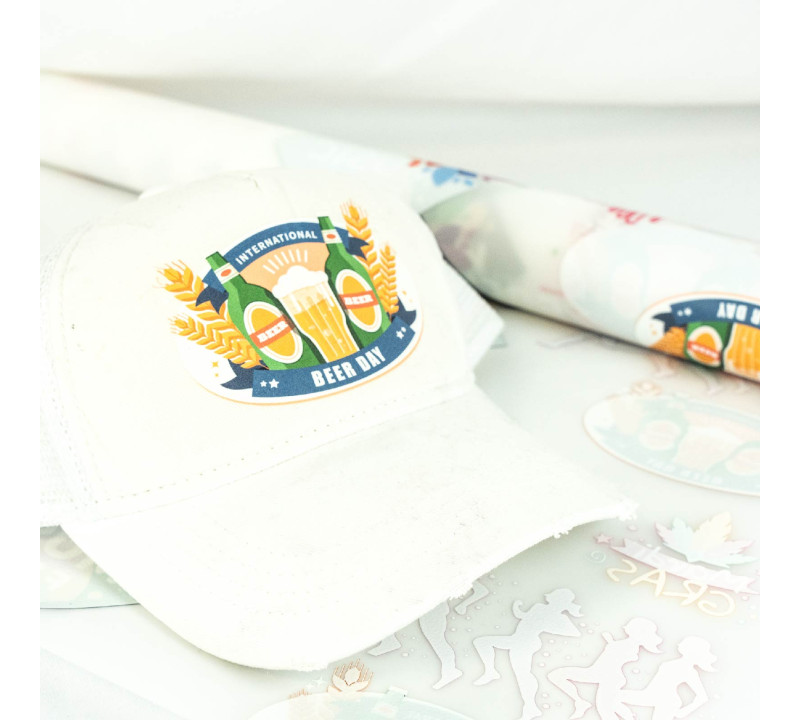
DTF (Direct To Film) transfer film is an essential consumable in the DTF printing process. It is a transparent medium onto which the design is printed before being transferred. Unlike other techniques such as flex or sublimation, DTF allows for direct ink application onto the film, followed by the application of a hot-melt adhesive powder and a heat transfer onto the fabric.
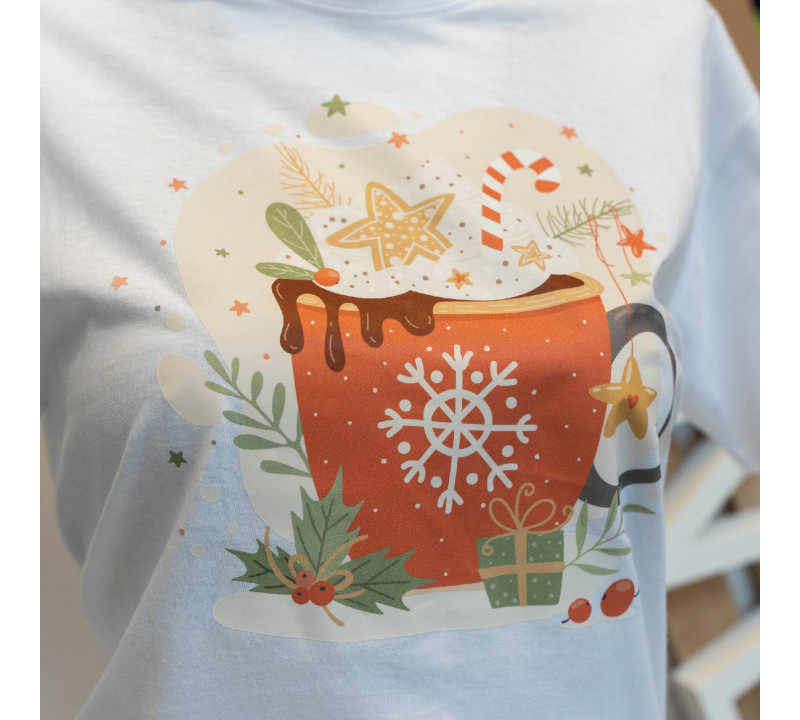
This method is appreciated for its ability to reproduce complex, multicolored designs in high definition, on both light and dark garments. DTF film plays a key role: it ensures visual stability, detail precision, and compatibility with various fabric types. It is available in multiple sizes and peel options (hot or cold), depending on production needs.
Using DTF transfer film involves a multi-step process:
This method allows for fast production, even in small batches, and adapts to various materials: t-shirts, bags, sweatshirts, and more.
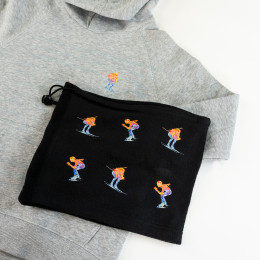
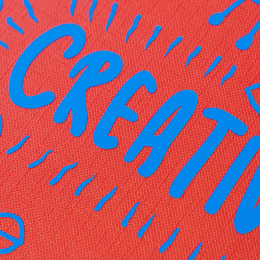
DTF printing offers numerous advantages over flocking, embroidery, screen printing, or sublimation. It allows for creative freedom: complex patterns, gradients, small text, and fine visual effects — all with excellent results.
Unlike sublimation, which requires light-colored polyester fabrics, DTF works equally well on cotton, polyester, blends, and even some rigid substrates.
Compared to flex, it requires no cutting or weeding, saving valuable production time.
One of the key strengths of DTF printing is its compatibility with a wide range of fabrics. It works on cotton, polyester, cotton/poly blends, elastane, and even technical fabrics used in sportswear or industrial clothing.
Whether you're customizing an organic cotton t-shirt, a polyester bag, a stretch sports jersey, or even a workwear garment, DTF transfer film ensures excellent adhesion and wash resistance. It can also be used on non-textile surfaces such as faux leather or certain heat-sensitive papers.
It's an ideal solution for versatile textile customization, whether for small or large-scale production.
To achieve flawless DTF printing, several elements must be carefully controlled:
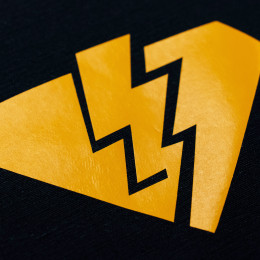
Once transferred, the design should have a soft feel, vibrant color rendering, and resist at least 50 washes. Using professional-grade consumables is essential to ensure optimal results.
100% secure
payment
Fast delivery
from 24 to 72H*
*Depending on the carrier
Free shipping on
orders over €150*
*Metropolitan France
Customer service at
+33 6 47 80 92 20
Certifications
Oeko-Tex and EVE Vegan