 Cricut's World
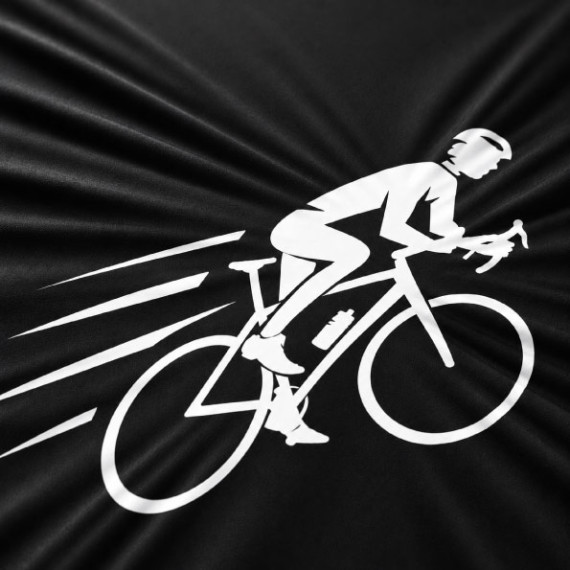


- Description
- Application Instructions
- Entretien
- Avis
Hotmark Stretch — The ultra-stretch heat transfer vinyl with a second-skin feel
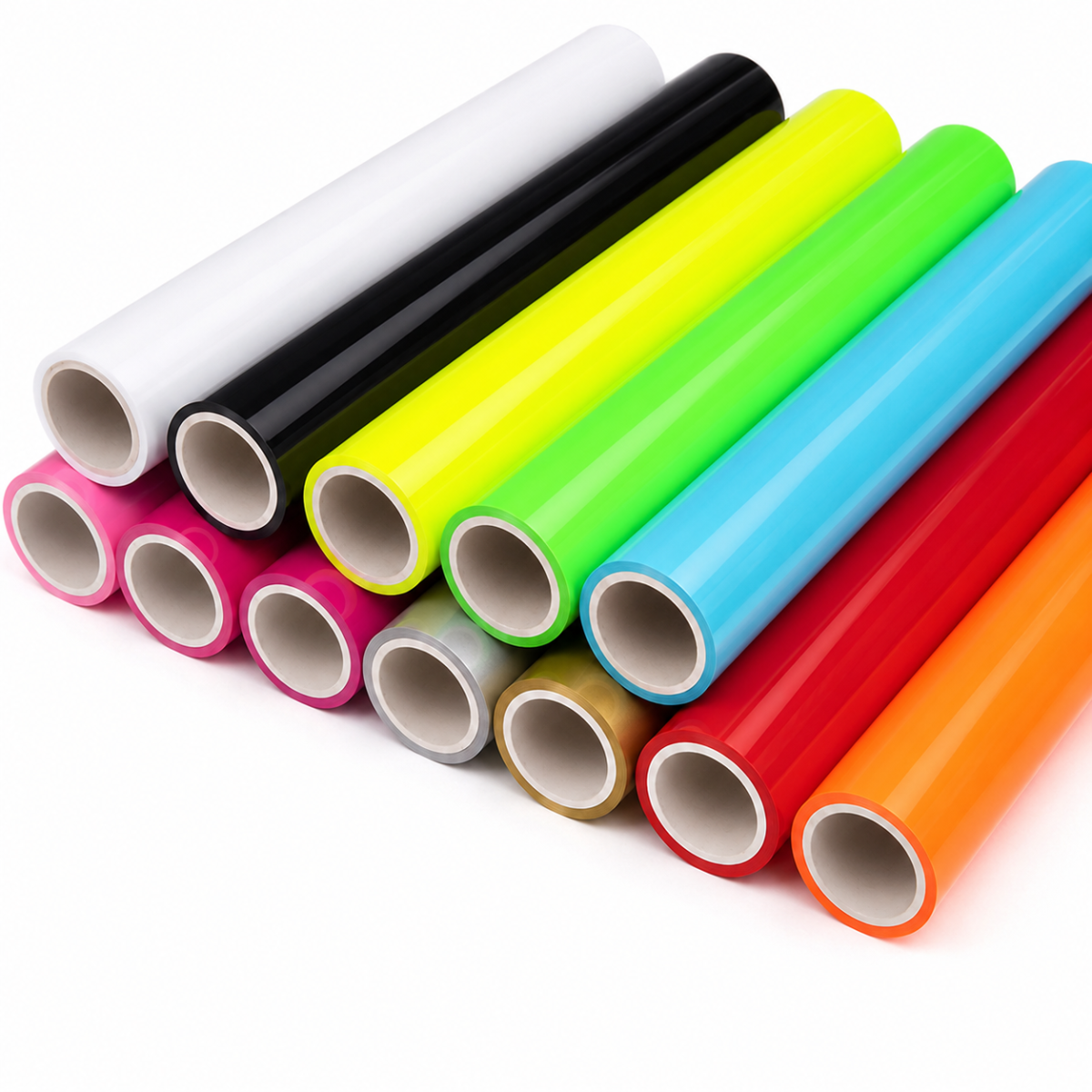
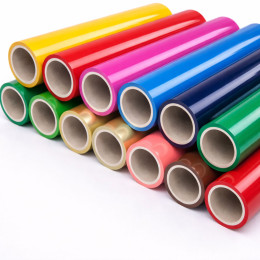
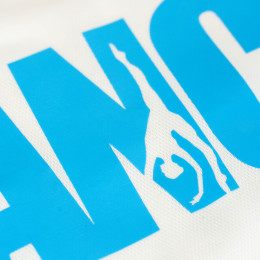
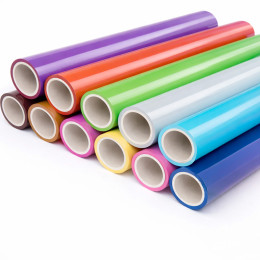
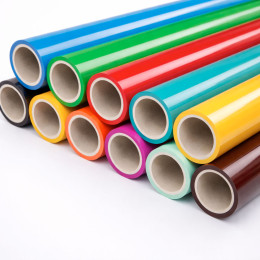
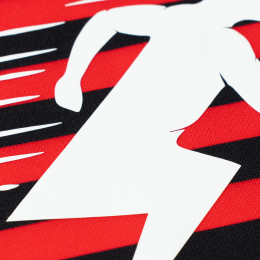
Discover the new Hotmark Stretch, a next-generation heat transfer vinyl specially designed for technical garments, sportswear, and all stretch fabrics. Available in 21 colors, it offers maximum creative freedom while ensuring exceptional wearing comfort.
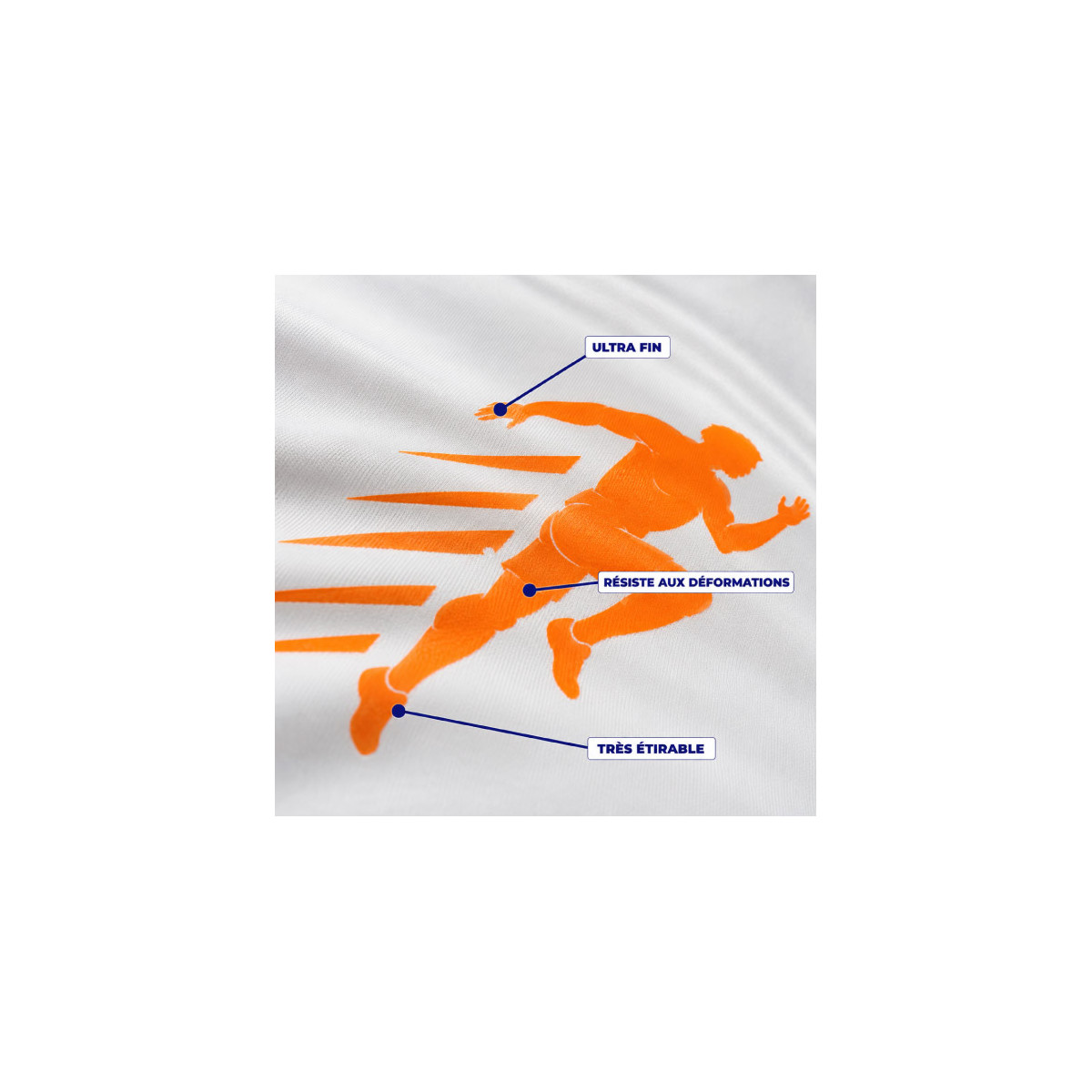
Thanks to its innovative formulation, Hotmark Stretch is compatible with fabrics containing up to 22% elastane, making it the ideal solution for leggings, sports jerseys, compression garments, and technical textiles. Its advanced technology makes it up to 30% more elastic than standard heat transfer vinyls on the market, allowing it to naturally follow the fabric’s movements without cracking or stiffening the garment.
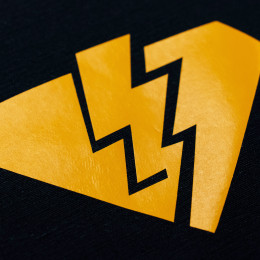
Its exceptional thinness makes it one of the thinnest heat transfer vinyls available on the market today. Once applied, the design blends directly into the fabric to create a true second-skin effect. The result is ultra-soft, lightweight, and comfortable, with an almost imperceptible feel to the touch. The fabric maintains its breathability, allowing both the textile and the skin to breathe better, even during intensive use.
Hotmark Stretch has also been developed to improve production comfort. Its optimized weeding performance makes excess material removal smoother and faster while significantly reducing the risk of tearing. This improved handling allows for more precise and efficient work on both small runs and large-scale production.
With its advanced technical performance, unmatched comfort, and premium finish, Hotmark Stretch stands out as the ideal solution for professionals looking for a high-end stretch heat transfer vinyl. OEKO-TEX® certifications are currently in progress, confirming the commitment to delivering an increasingly high-quality product that meets modern textile standards.
Practical Information
Hotmark Stretch does not feature a dye-blocking layer against sublimation ink migration. Therefore, it is not recommended for use on sublimated textiles, as ink migration may occur after application.
For light-colored fabrics or specific technical materials, it is also recommended to perform a test before starting full production in order to verify how the heat transfer vinyl reacts with the selected textile and ensure optimal results.
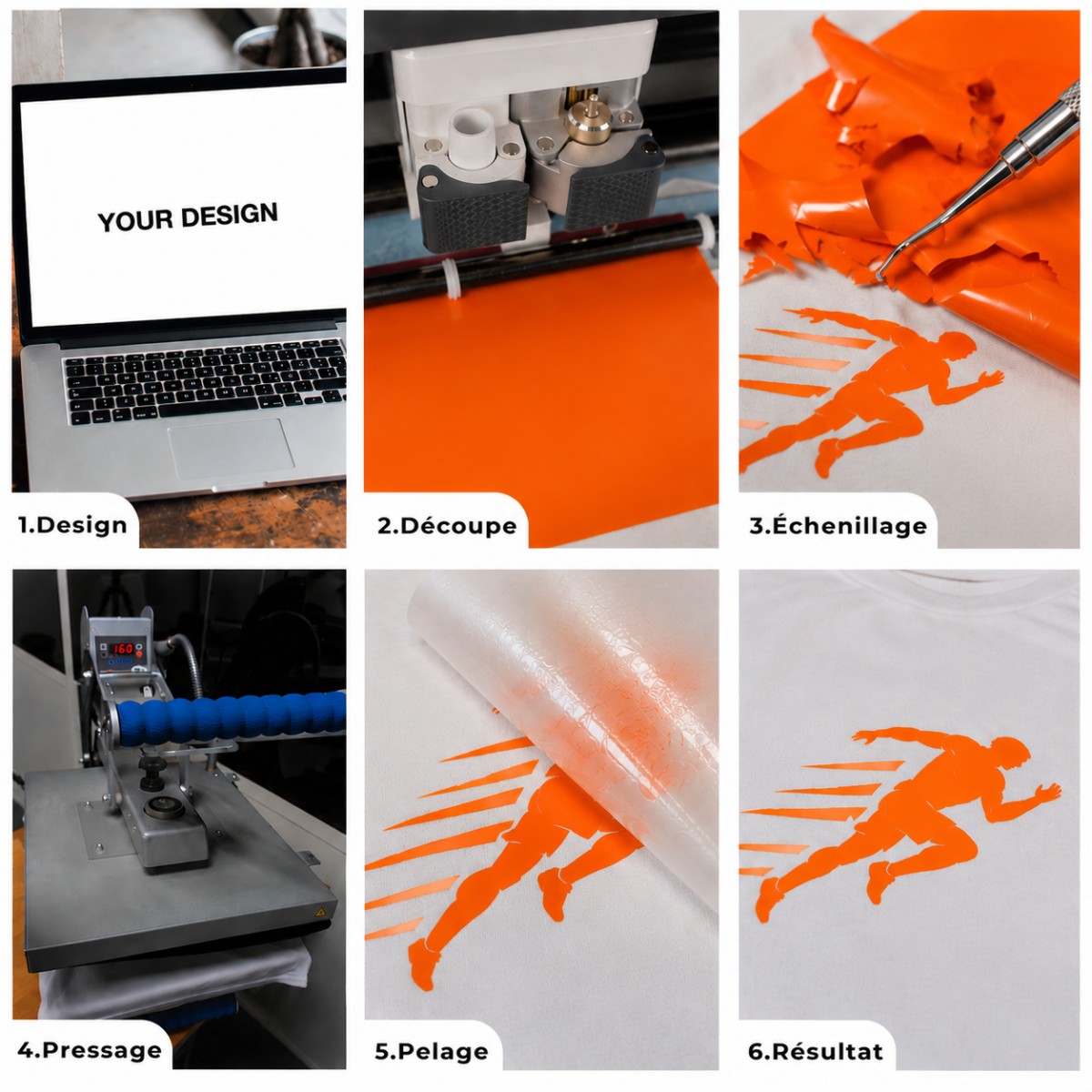
1. Mirror Cutting the Film
• Before cutting, set your cutting machine to mirror mode. This step is essential because the design will be applied in reverse so that it appears correctly once transferred onto the fabric.
• Use a blade suitable for heat transfer vinyl cutting and carefully adjust the blade depth according to the material thickness. This ensures a clean cut without damaging the polyester carrier sheet.
• Make sure the blade settings are optimized for precision, especially for fine details. We recommend performing a test cut before starting production.
2. Weeding
• After cutting, proceed with weeding by removing the excess material around the design.
• Use specific tools such as a hook or tweezers to weed accurately, ensuring that only the desired design remains on the polyester carrier.
• Make sure all fine details of the design are preserved and that all excess material is removed cleanly.
3. Positioning and Heat Application on the Garment
• Place the garment on the heat press, ensuring that the surface is clean.
• Position the design (with the polyester carrier still attached) onto the desired area of the garment.
• Protect the transfer with silicone paper to prevent direct contact between the heated platen of the press and the polyester carrier film.
• Set the heat press to a temperature of 155°C (311°F), apply medium pressure, and press for 20 seconds. The combination of heat, pressure, and pressing time ensures optimal adhesion of the design to the fabric.
4. Cold Peel Polyester Carrier Removal
• Allow the garment to cool completely before removing the polyester carrier. Removing the carrier while hot may affect the adhesion of the design.
• Once cooled, slowly peel away the polyester carrier while checking that the design remains perfectly adhered to the fabric.
By following these steps, you will achieve a professional-quality, durable, and perfectly applied textile transfer.
• Carefully follow the care instructions specified for the garment: The recommendations related to the textile on which the film has been applied must be respected to ensure long-lasting durability.
• Wait 24 hours before the first wash: This allows the film to properly adhere to the fabric and helps prevent premature peeling or damage.
• Iron only inside out: To protect the transfer and avoid damage caused by direct heat from the iron, the garment must always be ironed inside out.
• Storage: The film should be stored under optimal conditions, meaning vertically, away from direct light and humidity, for a maximum period of one year. Improper storage may alter the film’s properties, such as adhesion or elasticity.
• Washing: The garment can be washed at a maximum temperature of 40°C (104°F), and it is recommended to wash it inside out to prevent the transfer from being directly exposed to friction that could damage it.
• Do not use aggressive products: Bleach-based detergents or other harsh chemicals may damage the film and affect its durability.
• Tumble drying: Tumble drying is allowed, but it is recommended to check the compatibility of the textile with this drying method.
• Dry cleaning: The garment can be dry cleaned without risk to the transfer.
These recommendations are essential to ensure the quality and long-term durability of the transfer on customized textiles
Très bon produit
LAURENT C. the 08/07/2026