 Cricut's World
Top 5 mistakes to avoid with heat transfer vinyl (Expert Guide 2026)
Heat transfer vinyl (HTV), also known as iron-on vinyl, is an essential technique in textile customization. Easy to use, it allows you to create unique designs on t-shirts, sweatshirts, or accessories.
But behind its apparent simplicity, certain mistakes can compromise the quality and durability of your creations.
In this complete guide, discover the 5 most common mistakes with heat transfer vinyl and, most importantly, how to avoid them to achieve a professional finish.
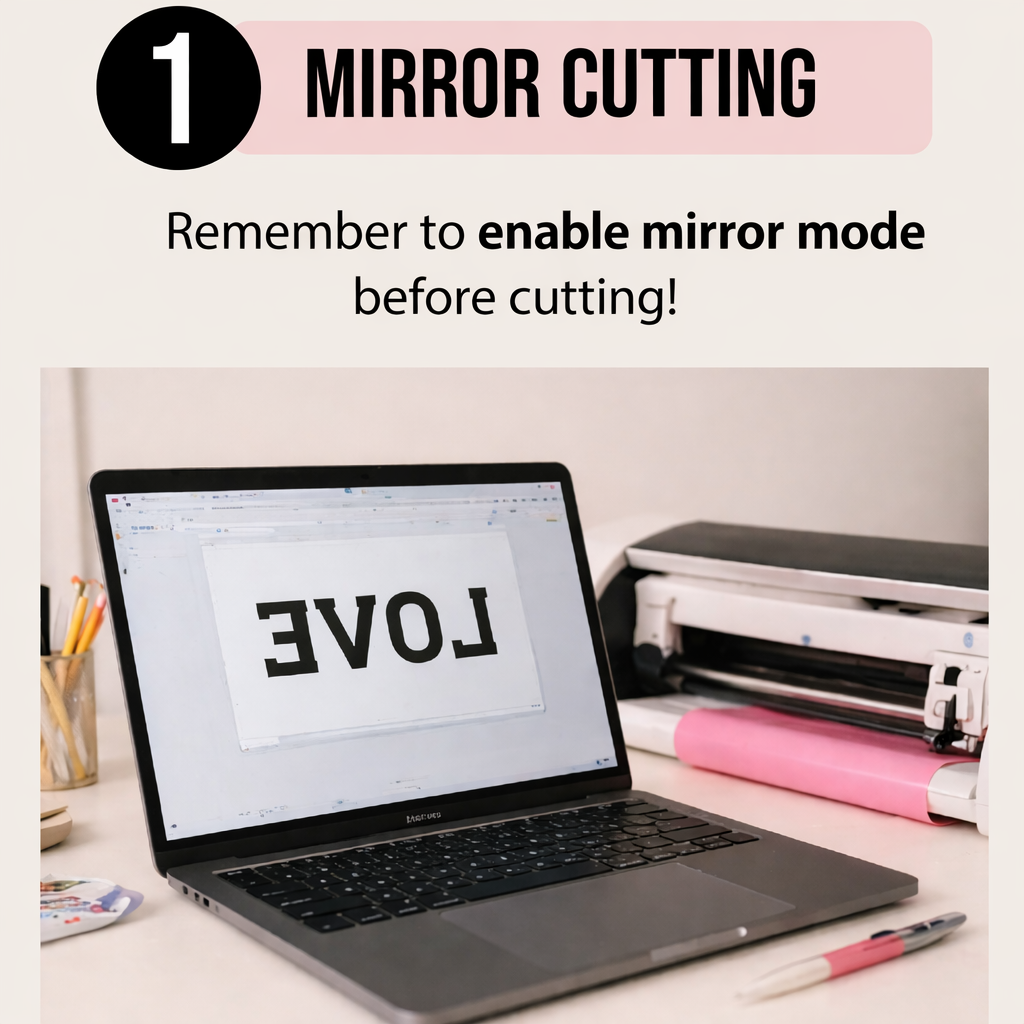
This is the most common mistake when using heat transfer vinyl.
HTV consists of:
For correct cutting:
???? Key takeaway: without mirroring, your design will be unusable.
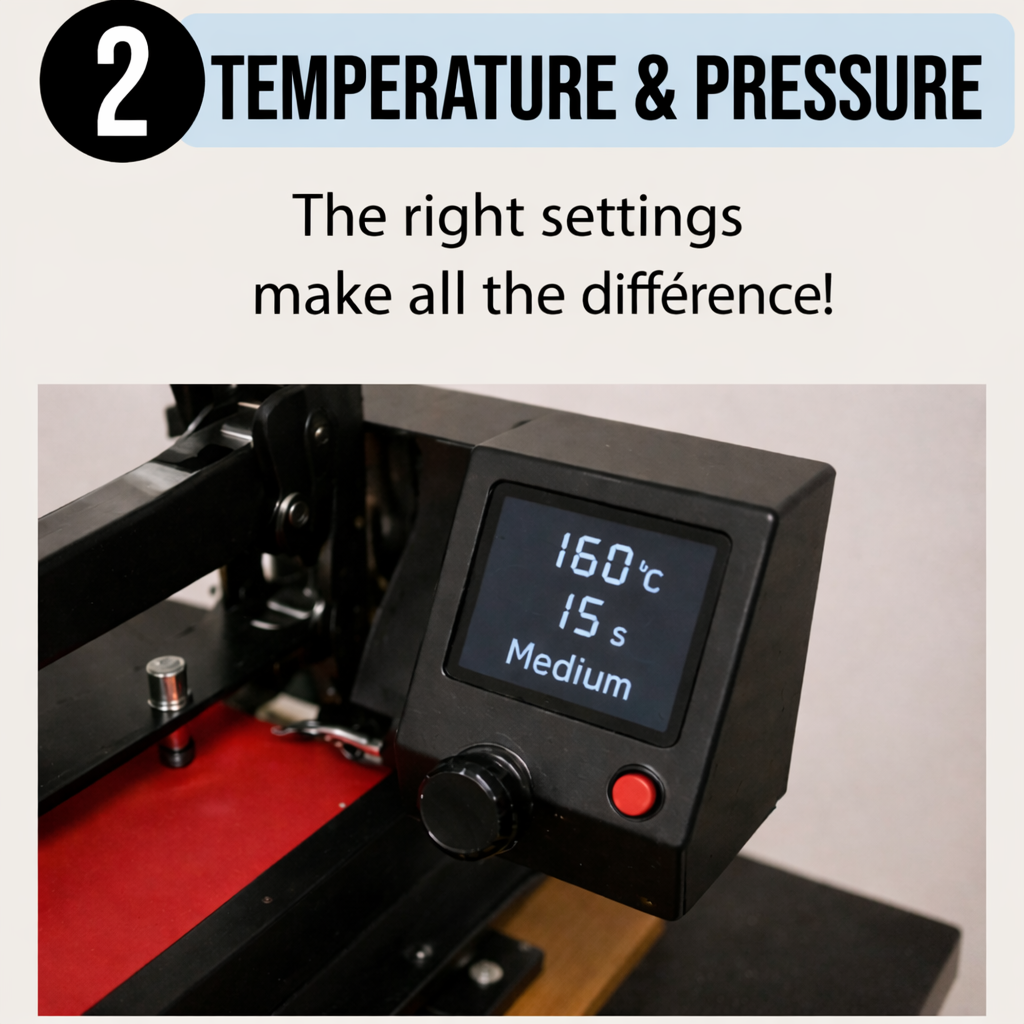
Poor HTV application is often caused by incorrect settings.
Each type of HTV requires:
Common issues:
???? Pro tip: use a professional heat press to ensure even pressure.
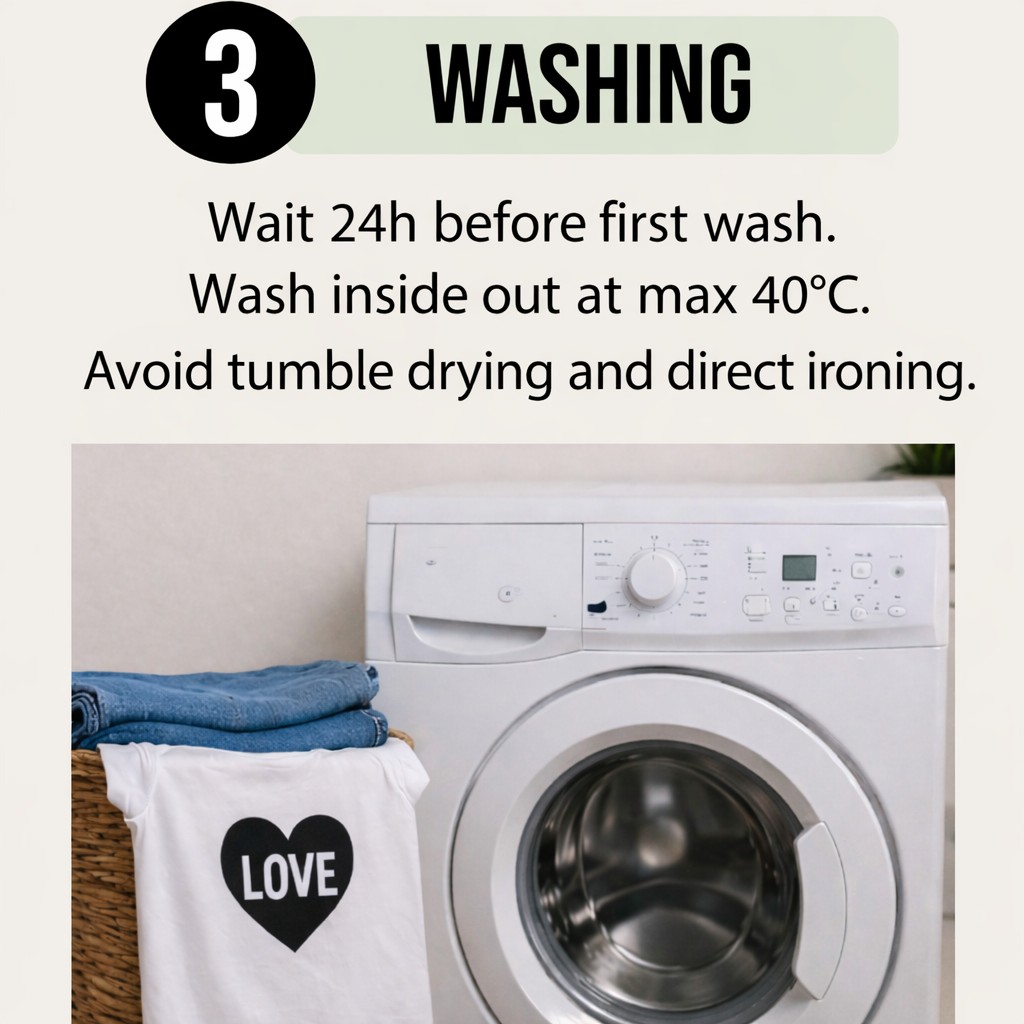
Poor washing practices significantly reduce the lifespan of heat transfer vinyl.
Best practices:
Avoid:
???? Proper care = longer-lasting textile designs.
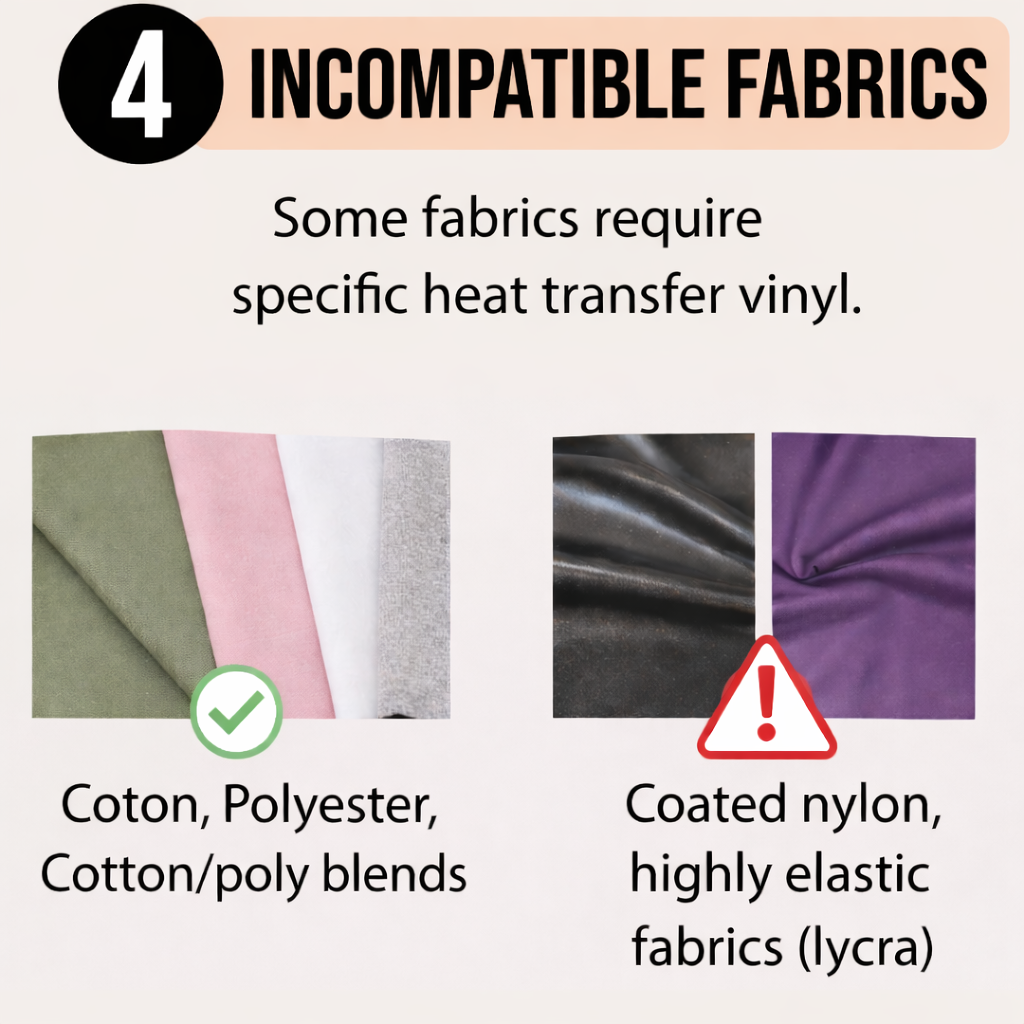
Not all fabrics are suitable for heat transfer vinyl.
✔️ Compatible:
⚠️ Specific fabrics:
???? Using a special fabric without the appropriate HTV can prevent or weaken adhesion.
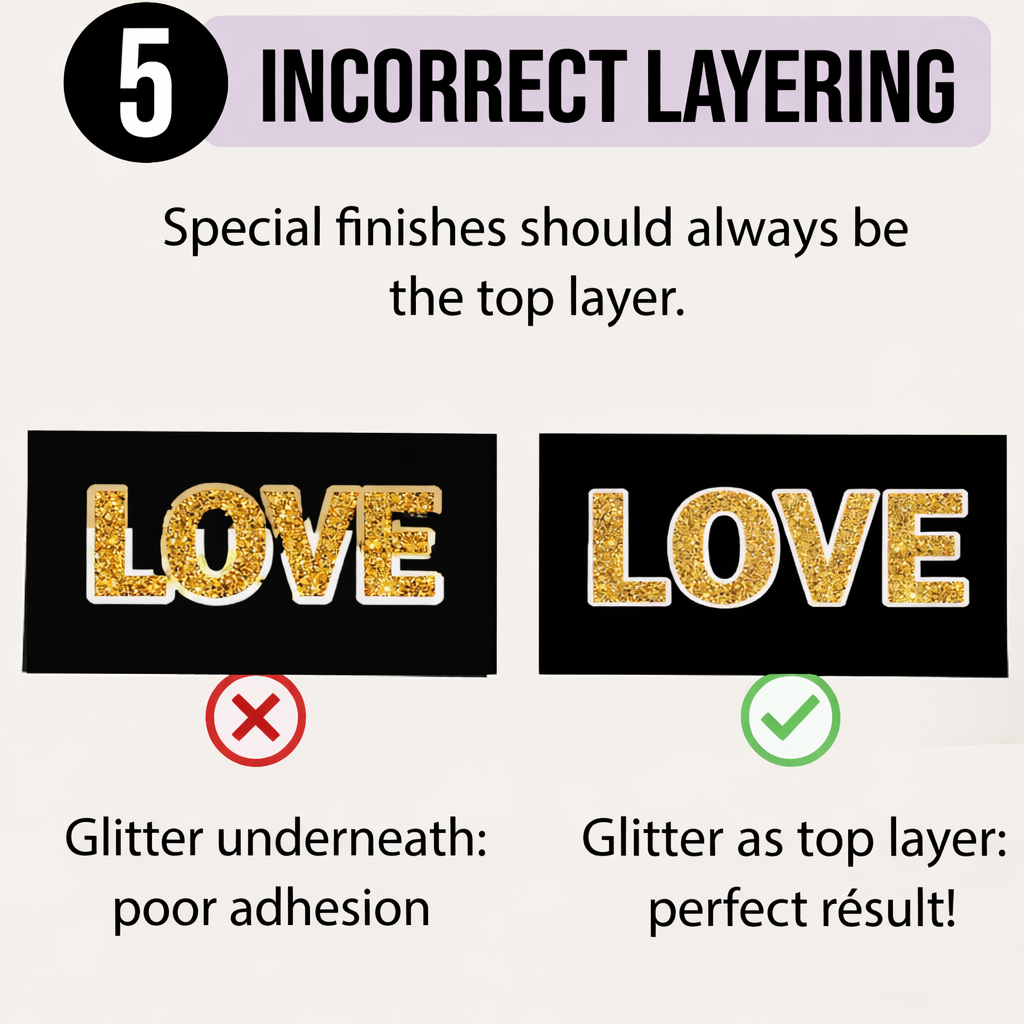
Layering allows for advanced designs… but must follow certain rules.
❌ Never place underneath:
???? These finishes should always be applied as the top layer.
For a professional result:
✔️ Follow the manufacturer’s settings
✔️ Use a heat press
✔️ Test your settings before production
✔️ Choose the right HTV for your fabric
To succeed in your textile customization projects, use:
???? Good equipment immediately improves your results.
By applying these best practices, you will achieve:
This can be caused by:
Yes, but the result is less reliable than using a heat press, which ensures even pressure.
It is recommended to wait at least 24 hours before the first wash.
Yes, but certain types (glitter, holographic, etc.) should always be applied as the top layer.
100% secure
payment
Fast delivery
from 24 to 72H*
*Depending on the carrier
Free shipping on
orders over €150*
*Metropolitan France
Customer service at
+33 6 47 80 92 20
Certifications
Oeko-Tex and EVE Vegan