Cricut's World
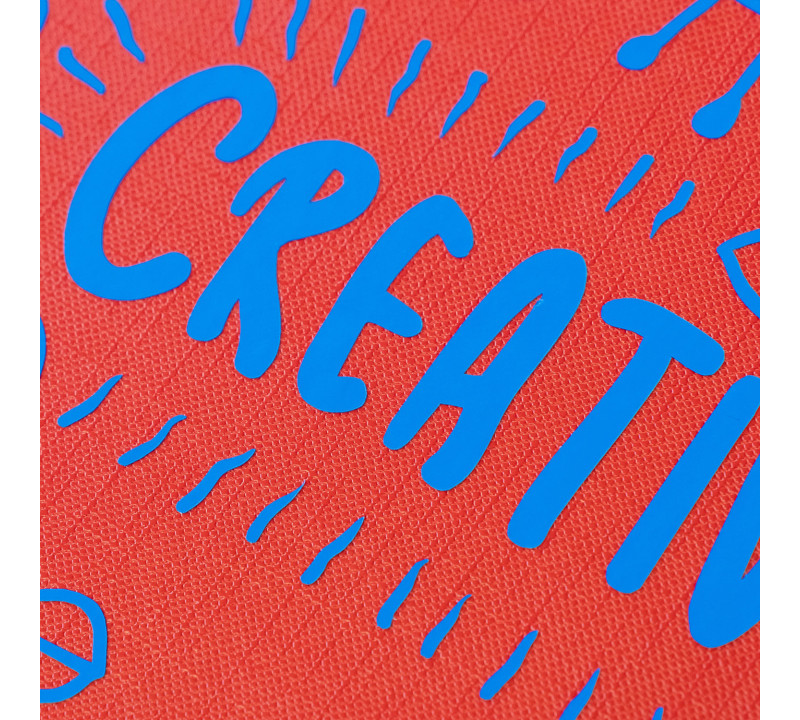
Transfer-ID
Transign
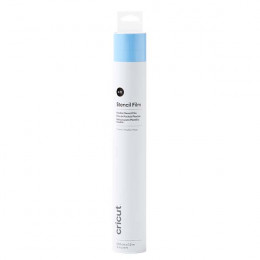
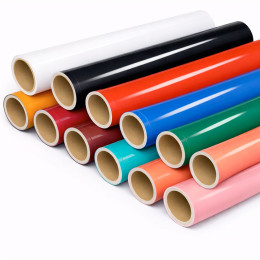
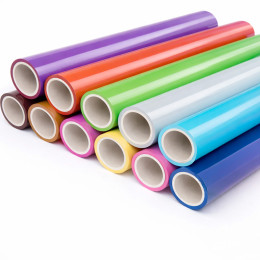
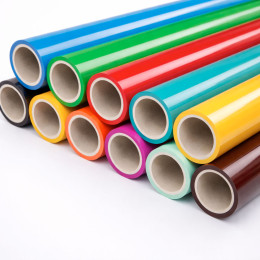
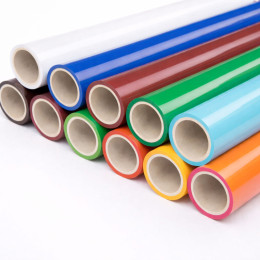
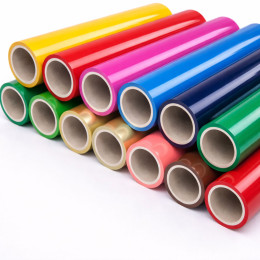
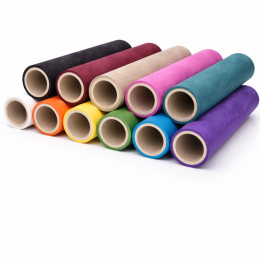
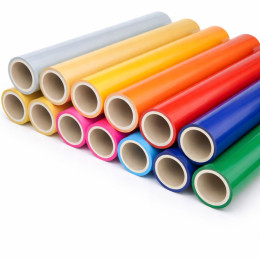
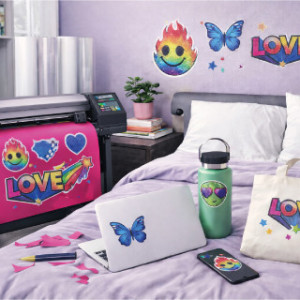
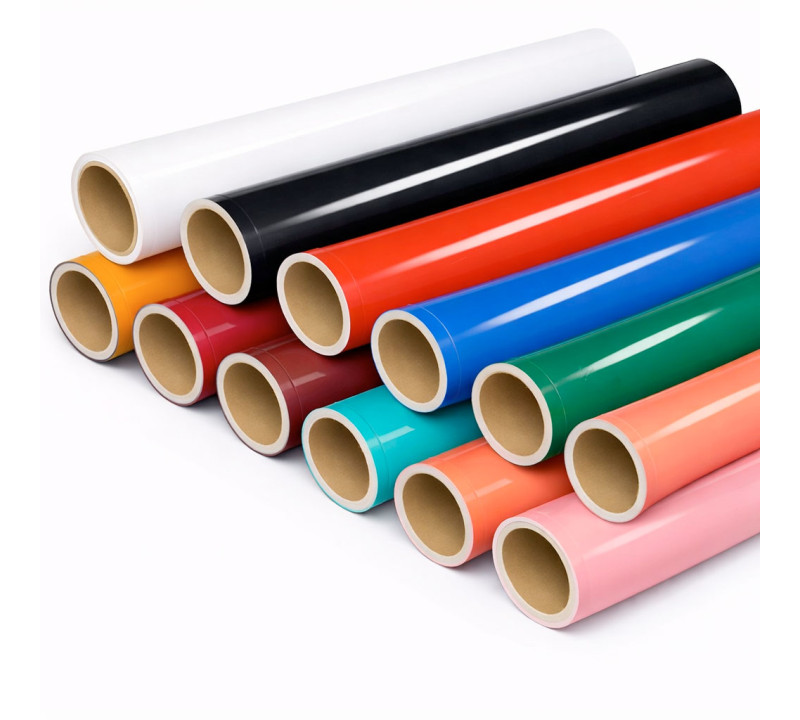
Discover our selection of adhesive vinyl for all your personalization, decoration, and signage needs. Whether you’re a hobby crafter or a visual-communication professional, our adhesive vinyl rolls are perfect for both batch production and custom work: wall decals, lettering, signage, window graphics, and object personalization.
Adhesive vinyl is a flexible self-adhesive film, generally made from PVC or polyurethane. It has a pressure-sensitive adhesive on the back and is protected by a liner (release paper to remove during application). Easy to cut and apply, it enables quick, durable customization of many surfaces.
It’s commonly used to create custom stickers, decorate furniture, produce signage, personalize objects, and for DIY (Do It Yourself) creative projects.
Adhesive vinyl is an extremely versatile material. Depending on the type you choose (permanent, removable, matte, glossy, etc.), it suits a wide range of creative, decorative, and professional uses:
Indoor wall decoration (letters, shapes, decorative patterns)
Furniture makeovers (doors, drawers, tables, shelves)
Object personalization (mugs, laptops, boxes, suitcases, etc.)
Custom stickers and lettering for advertising
Indoor/outdoor signage for stores, windows, vehicles
Custom labeling for organization, packaging, or events
It can be applied on many surfaces: glass, wood, plastic, metal, painted walls, laminates, and more.
No — standard adhesive vinyl is not suitable for garments. It’s designed to be applied cold on rigid, smooth surfaces such as glass, plastic, metal, wood, or walls, not on flexible textiles. Its temporary or permanent tack will not withstand:
Fabric flexing
Washing
Friction
On fabric, the result would be short-lived and non-durable. It may be used as a temporary stencil for fabric paint, but that’s not its main purpose.
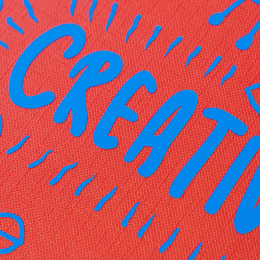
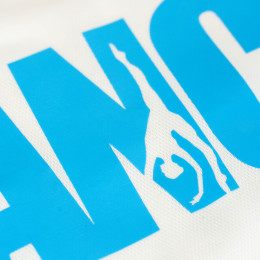
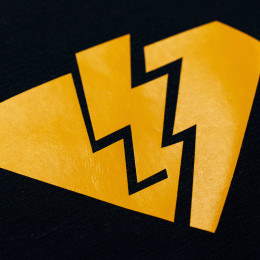
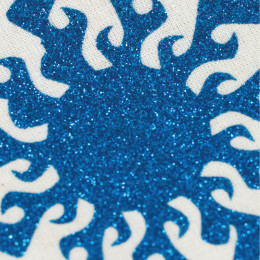
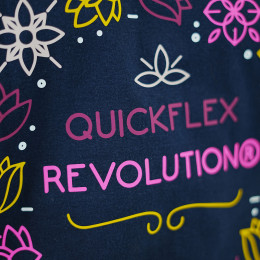
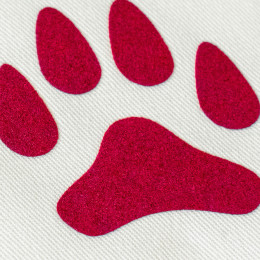
To customize clothing (T-shirts, hoodies, caps, tote bags, etc.), use heat transfer vinyl (HTV) (also called flex), applied with a heat press or iron, or choose a DTF transfer film for complex, full-color visuals.
These solutions are specifically designed to:
Thermally bond to the fabric fibers
Provide excellent wash resistance
Remain durable over time, even on textiles under stress (stretch, heat, humidity)
| Criteria | Standard Adhesive Vinyl | HTV (Heat Transfer Vinyl / Flex) |
|---|---|---|
| Application surface | Rigid/flat surfaces (furniture, walls, glass, etc.) | Textiles (cotton, polyester, blends) |
| Application method | Cold, with or without transfer tape | Heat-applied with press or iron |
| Adhesion | Pressure-sensitive adhesive | Heat-activated adhesive (thermo-bond) |
| Typical use | Décor, signage, stickers | Garment decoration |
Monomeric vinyl: 1–3 years (indoor, low exposure)
Polymeric vinyl: 5–8 years (outdoor, UV and weather exposure)
High-performance cast vinyl: up to 10 years
Substrate, exposure, and vinyl quality directly affect longevity.
In general, adhesive vinyl is not reusable. Once removed, adhesion is significantly reduced. Only certain static-cling or repositionable films can be reused in specific cases.
Consider these factors:
Surface: smooth or textured, rigid or flexible
Indoor vs. outdoor use
Adhesion level: permanent or removable/repositionable
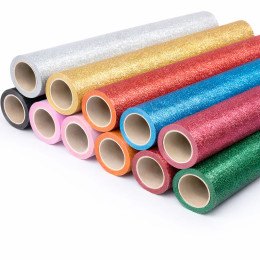
Finish: matte, glossy, glitter, chrome, transparent, etc.
Required durability
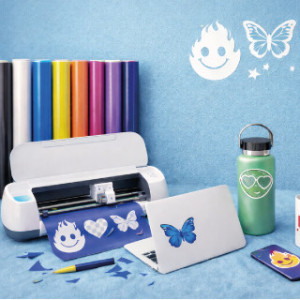
Compatibility with cutting machines (Cricut, Silhouette, Brother, etc.)
| Vinyl Type | Adhesion | Thickness | Available Finish(es) | Durability | Application |
|---|---|---|---|---|---|
| Monomeric | Medium | ~70 μm | Gloss / Matte | 1–3 years | Indoor |
| Polymeric | High | ~70–100 μm | Gloss / Matte / Textured | 5–8 years | Indoor / Outdoor |
| Removable/Repositionable | Low | ~60 μm | Transparent / Decorative | Short term | Temporary |
| Heat Transfer (HTV) | Thermo-adhesive | ~90 μm | Solid / Glitter / Flock | Up to 50 washes | Textiles only |
Applying adhesive vinyl is straightforward if you follow a few key steps. Whether you’re decorating furniture, a shop window, or a custom object, this practical guide will help you apply your self-adhesive vinyl film without bubbles, creases, or surprises.
Clean thoroughly with a soft cloth and a non-greasy degreaser.
The surface must be clean, smooth, dry, and dust-free (varnished wood, plastic, metal, glass, smooth wall, etc.).
Use a cutting plotter, a Cricut/Silhouette Cameo machine, or scissors for simple shapes.
Make sure the blade is properly set for your vinyl’s thickness.
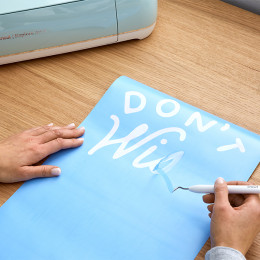
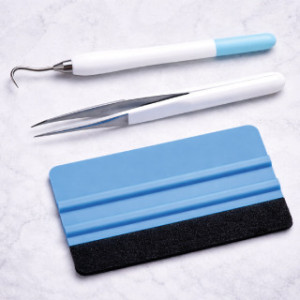
Remove the unwanted parts (inner letters, borders) using appropriate weeding tools.
This weeding step is crucial for a clean result.
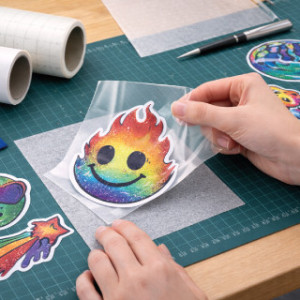
Place application/transfer tape over the weeded design to simplify handling and positioning.
Burnish the tape firmly with a squeegee for good adhesion.
Place the adhesive vinyl on the target surface and take time to adjust position, alignment, and orientation.
Using a squeegee, smooth firmly from the center outward to eliminate air bubbles and ensure perfect adhesion.
Peel the tape back slowly, making sure the vinyl stays adhered to the surface.
For large areas, work in sections and peel the liner progressively.
If you see air bubbles, gently warm the vinyl with a hair dryer or heat gun (moderate heat) to relax it.
Apply at room temperature (18–25 °C) for optimal adhesion.
For curved or complex surfaces, choose a polymeric vinyl.
Vinyl is an endlessly creative medium for hobbyists and professionals alike.
Project ideas to try:
Custom wall decals for a kid’s room
Motivational wall lettering for a home office
Mug or bottle decoration
Quick furniture makeover
Signage for a booth or retail space
Event T-shirt personalization (use HTV)
Recommended tools:
Cutting plotter
Squeegees, transfer tapes, cutting mats
100% secure
payment
Fast delivery
from 24 to 72H*
*Depending on the carrier
Free shipping on
orders over €150*
*Metropolitan France
Customer service at
+33 6 47 80 92 20
Certifications
Oeko-Tex and EVE Vegan