Cricut's World
Chemica
Galaxy
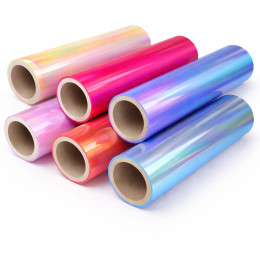
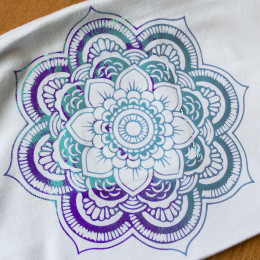
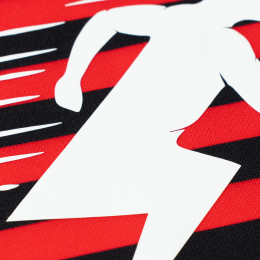
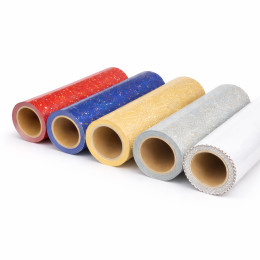
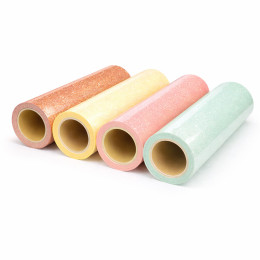
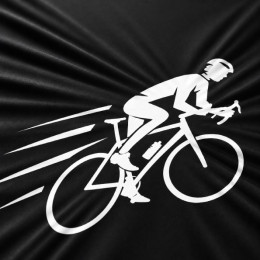
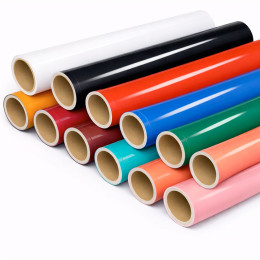
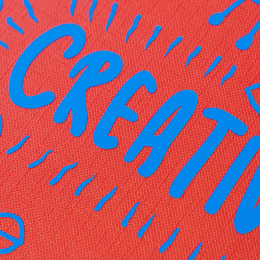
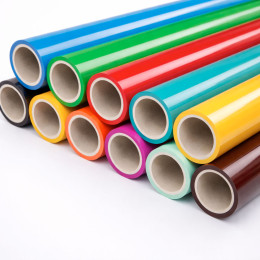
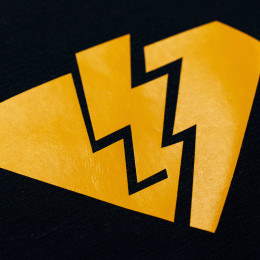
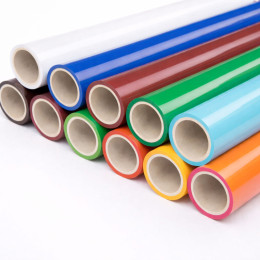
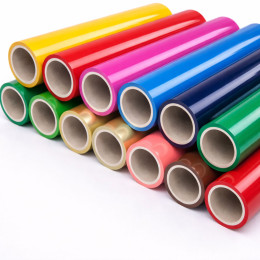
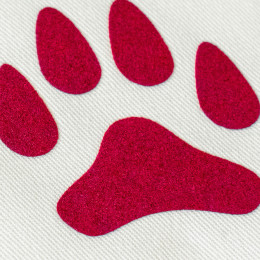
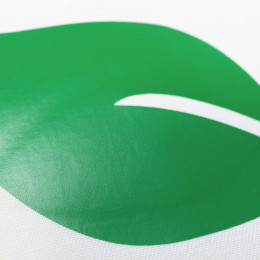
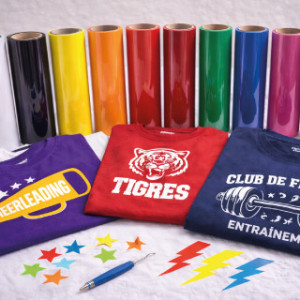
Heat transfer vinyl (HTV) is a heat-activated film used for textile customization. It is designed to be cut using a cutting machine (Cricut, Silhouette, Roland, etc.). It consists of a flexible material (usually polyurethane or PVC) attached to a sticky backing, allowing for precise cutting of letters, designs, shapes, or logos. Once the excess material is weeded, the design is transferred onto fabric using a heat press or a powerful iron.
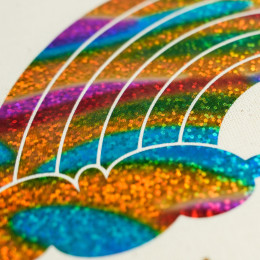
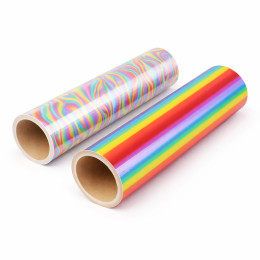
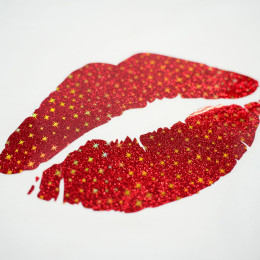
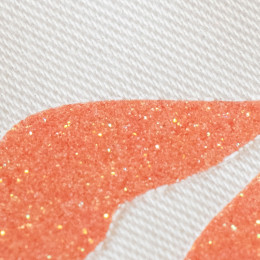
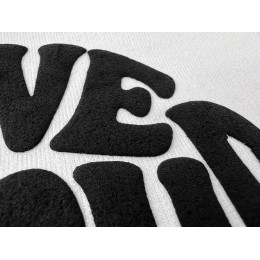
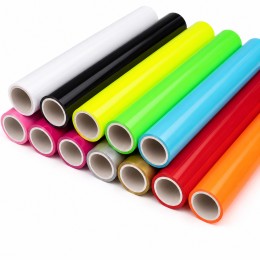
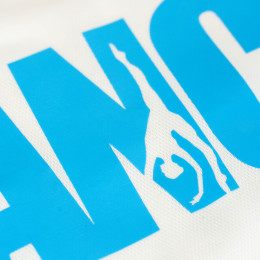
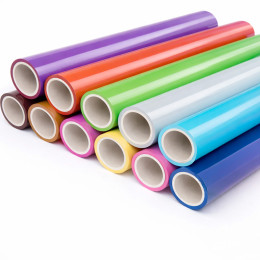
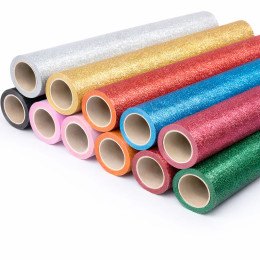
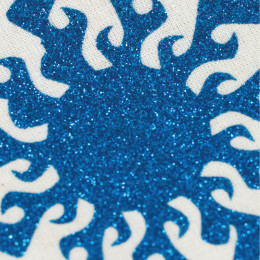
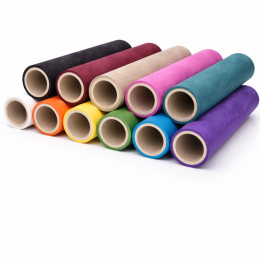
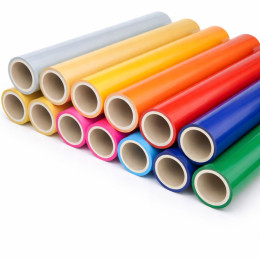
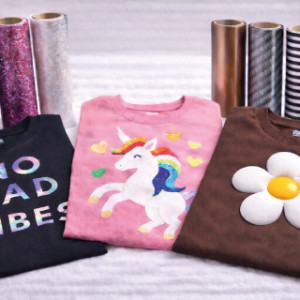
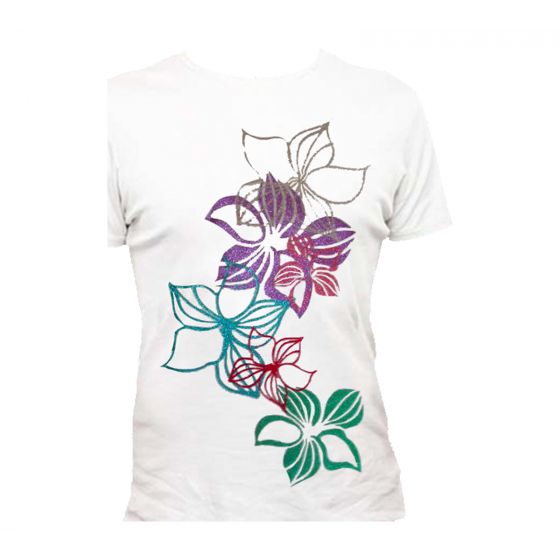
Used in both creative and professional flocking, HTV comes in a variety of finishes (matte, glitter, metallic, neon, stretch, etc.) to meet a wide range of aesthetic and technical needs. It can be applied to various fabrics: cotton, polyester, blended fabrics, nylon, and more.
This marking medium offers excellent wash resistance, sharp results, and superior durability. It's a go-to choice for creators who want to achieve clean, customized designs with a professional finish.
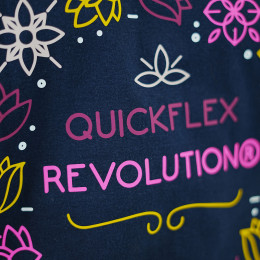
Customizing clothing with heat transfer vinyl is a simple yet professional method to create unique designs, logos, or text on fabric. This technique is suitable for both DIY enthusiasts and professional textile decorators, allowing you to create long-lasting, clean, and visually striking results.
Here are the key steps to successfully personalize textiles:
Create or import your design into software compatible with your cutting machine (e.g., Cricut Design Space, Silhouette Studio). Make sure to set the design in mirror mode.
Place the HTV (colored side down) onto the machine's cutting mat, then launch the cut using the appropriate settings (blade type, pressure, speed) according to the vinyl's thickness.
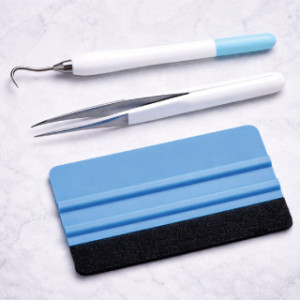
Carefully remove the excess material using a weeding tool (hook, tweezers, or spatula), leaving only the design behind.
Position the design on the garment using its adhesive backing. Press it with a heat press or iron, respecting the recommended temperature, pressure, and time settings (generally between 150°C and 165°C, for 10 to 20 seconds).
Depending on the vinyl type, remove the liner either hot or cold. You'll achieve a clean, durable, and professional-looking customization.
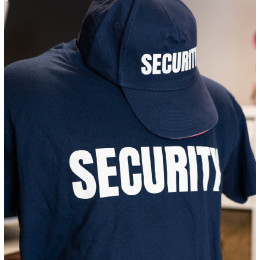
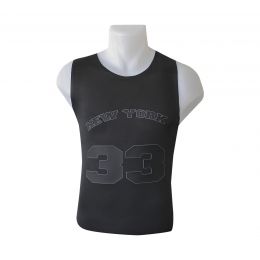
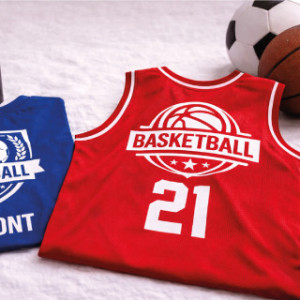
This technique works on many textile items: T-shirts, sweatshirts, tote bags, workwear, sportswear, etc.
Heat transfer vinyl comes in several main categories, each tailored to specific textile customization needs. From simple marking to bold creative designs and technical applications, every type of HTV offers different finishes, fabric compatibility, and performance levels.
| Type of Vinyl | Appearance & Effects | Compatible Fabrics | Recommended Uses |
|---|---|---|---|
| Classic Heat Transfer Vinyl | Solid colors, matte or satin finish | Cotton, polyester, blended fabrics | Basic markings: logos, lettering, simple shapes |
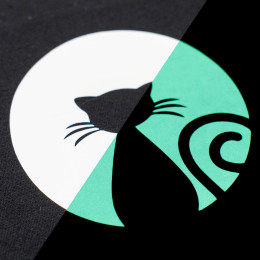
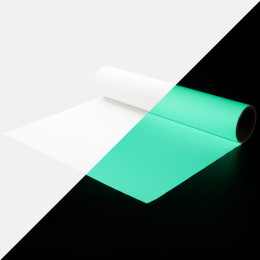
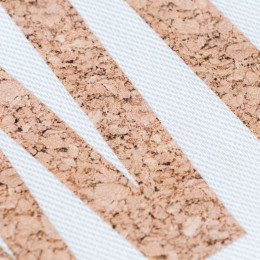
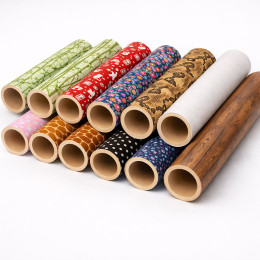
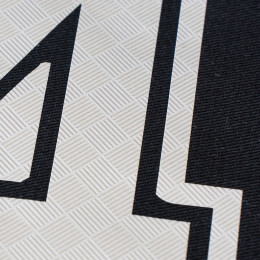
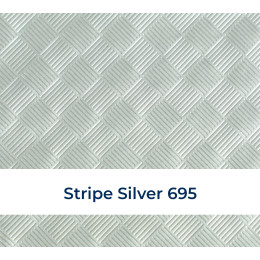
| Creative Heat Transfer Vinyl | Glitter, metallic, neon, holographic, mirror, leather effect | Cotton, polyester, textile decoration | Fashion, artistic customization, festive garments |
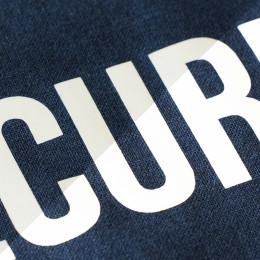
| Technical Heat Transfer Vinyl | Stretch, nylon-specific, reflective, fire-retardant | Lycra, nylon, softshell, technical and professional fabrics | Sportswear, workwear, technical equipment |
100% secure
payment
Fast delivery
from 24 to 72H*
*Depending on the carrier
Free shipping on
orders over €150*
*Metropolitan France
Customer service at
+33 6 47 80 92 20
Certifications
Oeko-Tex and EVE Vegan